Short vertical videos and longer horizontal ones can look like the same medium at different lengths. They aren't. They're watched in different contexts, by people in different moods, and they reward different kinds of ideas. Treating them as interchangeable is one of the most common reasons creators feel stretched thin and see mediocre results on both.
The better approach is to decide where each idea naturally belongs, and to repurpose thoughtfully rather than mechanically.
What each format is good at
Short-form thrives on immediacy. Viewers are swiping through a feed, often deciding within moments whether to stay. The best short videos deliver one idea, one moment, or one emotion with almost no setup.
- A single tip, trick, or answer to a question
- A surprising moment, reaction, or reveal
- A quick transformation or before-and-after
- A joke, observation, or relatable moment
- A teaser of a larger story
Long-form rewards depth and investment. Viewers often choose these videos deliberately, sometimes settling in to watch on a bigger screen. Long-form gives room for things short-form can't hold.
- Stories with a beginning, middle, and end
- Detailed tutorials and explanations
- Investigations, comparisons, and reviews
- Personality and relationship-building over time
- Complex topics that need context to make sense
Ask what the idea needs, not what the schedule needs.
A simple test for any idea
When an idea arrives, run it through a few questions:
- Can it be understood without context? If the idea makes sense to someone who has never seen you before, in a few seconds, it might be short-form.
- Does it need a journey? If the payoff depends on watching something unfold, like a build, a challenge, or a story, it probably needs long-form.
- How many ideas are in it? One clear idea suits short-form. Several connected ideas suit long-form.
- Would cutting it shorter destroy it? If compressing the idea removes what makes it interesting, don't force it.
- Would stretching it longer dilute it? If you'd need filler to reach a longer runtime, it's probably a short.
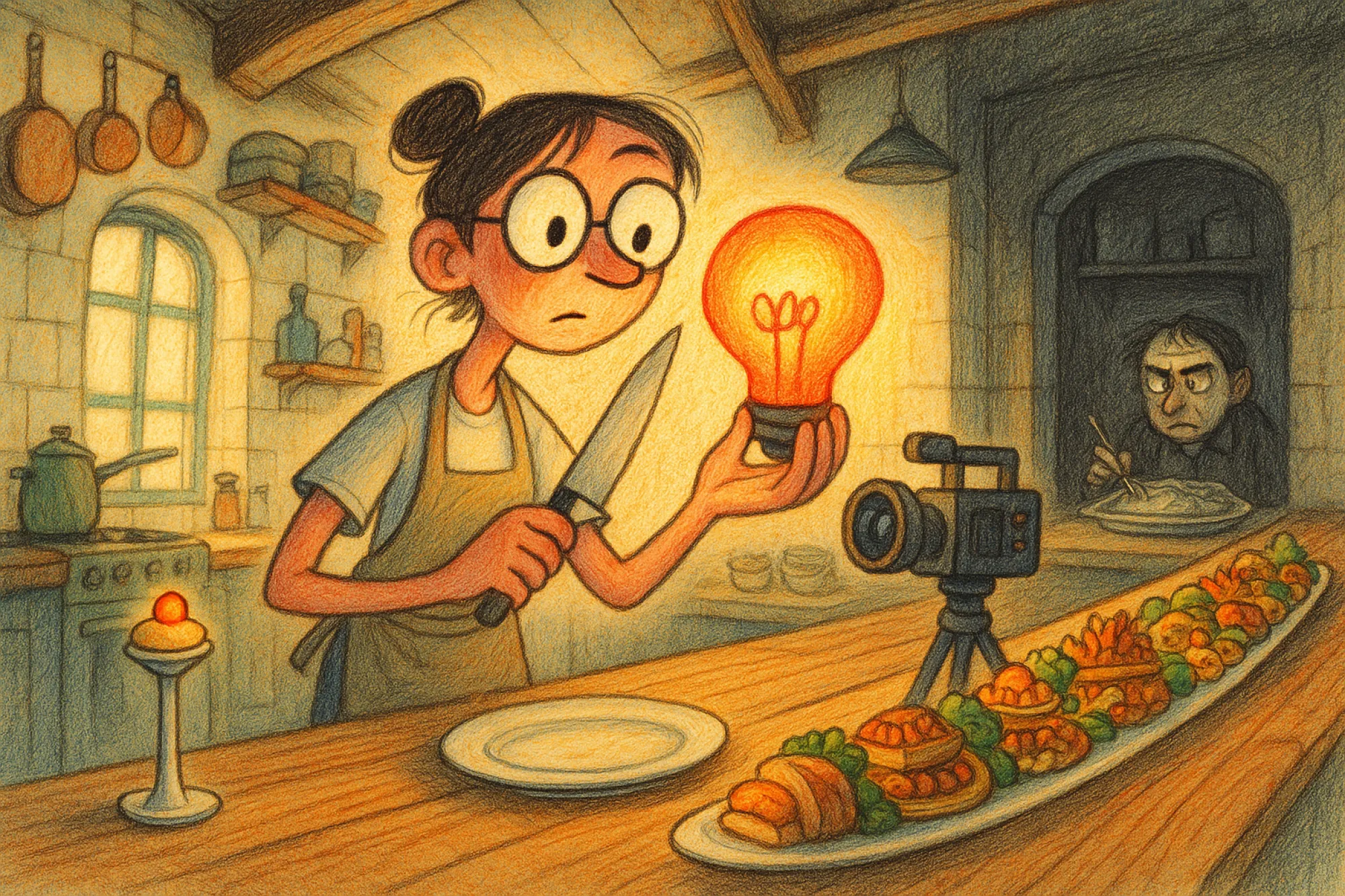
Say you have a cooking channel. "The one knife trick that makes dicing onions faster" is a natural short. "Cooking a week of meals from a single grocery run" is a long-form journey. "Why my bread kept failing, and the three experiments that fixed it" is long-form, but each experiment might make a strong standalone short.
Repurposing without recycling
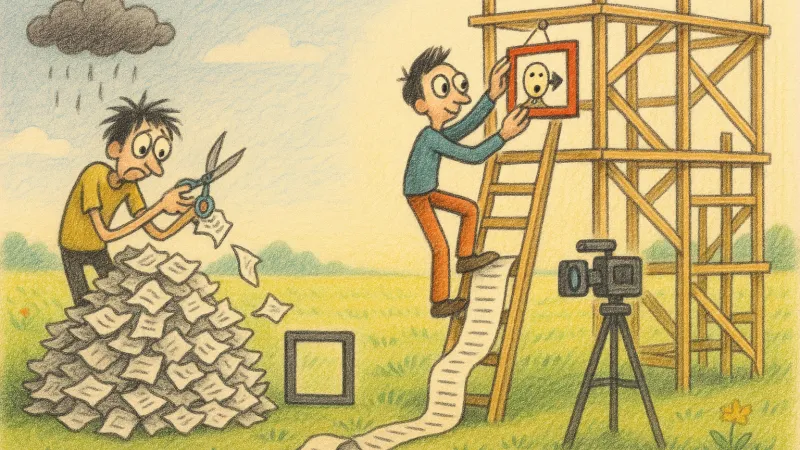
Repurposing gets a bad reputation because it's often done lazily: a horizontal clip cropped awkwardly into vertical, captions slapped on, context missing. Viewers can tell. Good repurposing treats each piece as its own thing.
- Find moments that stand alone. Not every part of a long video makes a good short. Look for sections with a self-contained payoff: a tip, a reaction, a clear before-and-after.
- Re-edit, don't just trim. Rebuild the opening so the first second grabs attention. Remove references to earlier parts of the long video. Tighten pacing for the format.
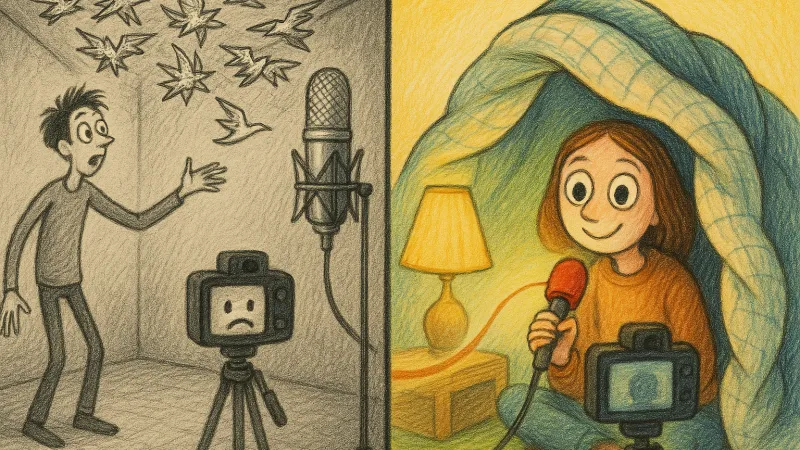
- Reframe for vertical. If you know you'll want shorts from a shoot, frame with that in mind, keeping important action near the center, or film specific vertical moments separately.
- Add what's missing. On-screen text, a new voiceover line, or a quick setup shot can supply context a clip lacks.
- Adapt to each platform. Features, conventions, and audience expectations differ between platforms, and they change often. Check each platform's current help pages and spend time watching what performs well there.
Going the other direction
Repurposing doesn't only flow from long to short. Short-form can be a testing ground. If a quick tip draws lots of questions or comments, that's a signal there's appetite for a deeper long-form treatment. Your shorts become a low-cost way to discover which ideas deserve more investment.
How the formats work together
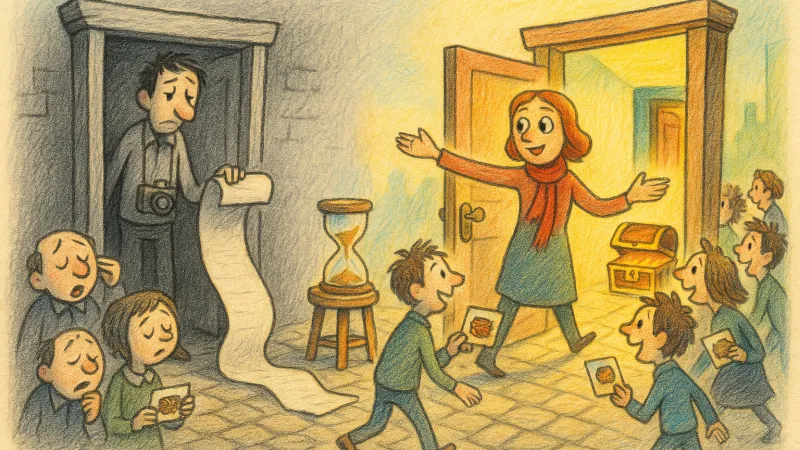
Viewers who discover you through short-form don't automatically become long-form viewers; the audiences can behave quite differently. Rather than assuming shorts will feed your long-form channel, think about how to build bridges intentionally. A short that teases a story, poses a question answered in a longer video, or introduces a recurring series gives viewers a reason to go deeper.
Equally, it's fine to treat them as separate audiences with separate goals. Some creators focus on one format and use the other lightly. There's no requirement to do everything.
Protect your energy
Producing both formats well takes time. If you're overwhelmed, choose the format that best suits your ideas, your strengths, and what you enjoy making, and do that consistently. You can always add the other later, once you've built systems that make it sustainable.
The best format is the one that serves the idea and that you can keep making well.