Some TikTok users trust medical influencers more than their own doctors
Medical misinformation is a significant issue on TikTok. The app has been populated with misleading videos discussing topics like steroids, ADHD, and acetaminophen. Despite TikTok's preventative measures, those videos continue to be a thorn in its side. What mechanisms allow health misinformation… Excerpt from tubefilter.comRead the full story at the source
For anyone making health content, the uncomfortable finding is that the outfit does a lot of the work. Tubefilter reports that the Virginia Commonwealth University study found medical attire and clinic backdrops drew significantly more comments than casual clothes and personal settings, and interviewees tended not to question physician-influencers' product recommendations.
I'm not surprised. People consume what's easiest to digest. Most doctors aren't personalities: they're dry, matter-of-fact and, quite literally, clinical. So when a YouTuber or TikToker bounces onto the screen full of personality and tells people what they want to hear, confirmation bias kicks in, and the easy watch wins. Put that personality in a white coat and you have a very persuasive package.
That trust is an asset, and a liability if a sponsored pick turns out to be a dud. The lesson reaches beyond medicine, too: viewers read the look of expertise as proof of it. If you take brand deals in a specialist niche, be extra clear about what's paid, what's evidence and what's opinion. A stethoscope gets attention. It doesn't replace a disclosure.
Our Coverage
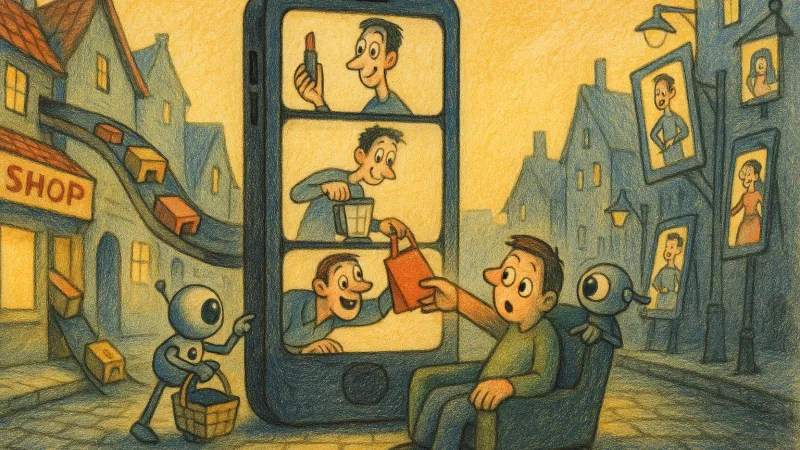
TikTok wants the sale to happen inside the For You feed
An AI shopping assistant, one-click checkout from brand sites and a new ad network beyond the app: TikTok’s commerce push is widening. Here is what changed and what creators who sell should watch.
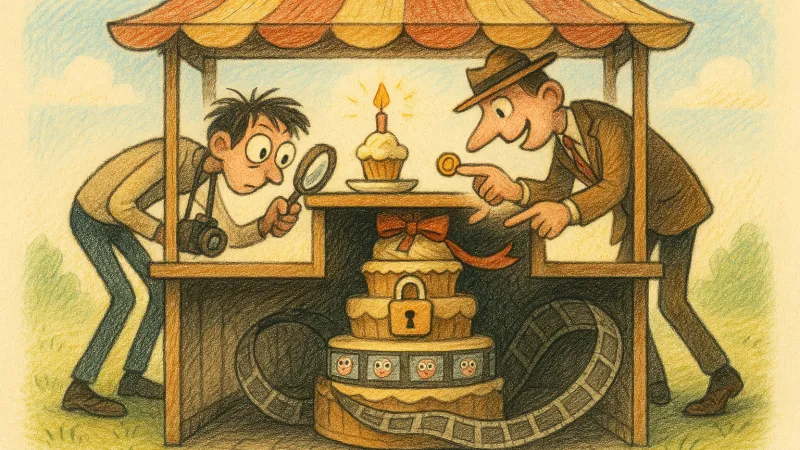
How to price your first brand deal without underselling yourself
A sponsorship is more than a fee for a mention. Before you name a number, understand what you're actually being asked to provide, for how long, and on what terms.
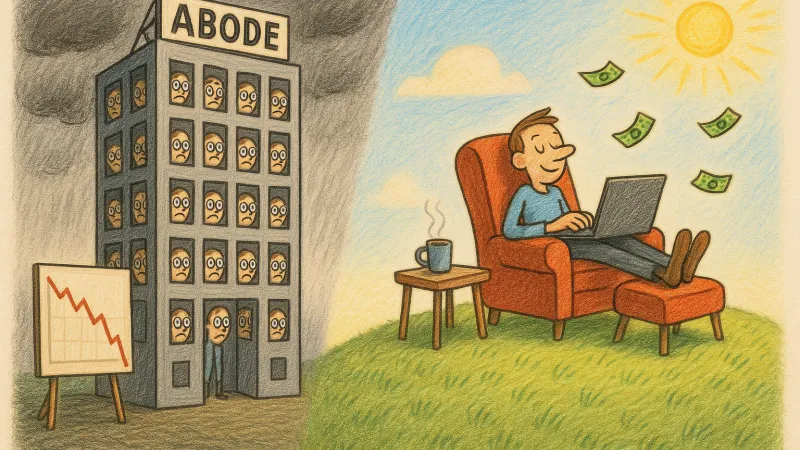
The era of giant software subscriptions is ending, and small teams are why
Danielle Hallett, who runs a small software house, argues that experienced developers with coding agents can now undercut big vendors, and says creators should audit their subscriptions.
Also Reporting
New York accuses TikTok of serving users ‘placebo’ safety features
New York is alleging that thousands of TikTok users, including kids and teens, were unknowingly given "ghost" versions of the platform's safety features rather than the w…
Are you ready for everything to look like TikTok?
Since TikTok burst into mainstream consciousness, many things have been called a "TikTok clone": YouTube Shorts, Instagram Reels, Snapchat Spotlight, Netflix's Clips, Lin…
If these tests stick, the first thing people see when they open Facebook or Instagram becomes a video feed. Creators who rely on followers seeing their photos, carousels or text posts may lose that default spot. The Verge reports that Instagram users can switch back, and that Meta has hinted at a possible US expansion of the Facebook version in 2027.
There may be an upside. The Verge cites Morning Consult polling in which 81% of US respondents had watched a Reel but only 39% had posted one. Lots of viewers and fewer makers could favor creators willing to make video. Now is a sensible time to test vertical cuts of what you already make, and to track whether reach on your static posts slips. Not every test ships.
New York alleges TikTok gave teens, children a placebo safety feature instead of a real one
New York’s lawsuit against the company is one of more than two dozen cases brought by states accusing the social media giant of designing its platform to encourage addict…
These are allegations, not findings, but they go to the heart of something creators rely on: that platform controls do what the button says. If, as New York alleges according to Reuters reporting cited by TechCrunch, some teens switched on "Algo Refresh" and got a feed that didn't change, it's fair to wonder what else is being quietly tested. TikTok told Reuters it regularly tests features, like most companies.
For creators with young audiences, the bigger story may be the more than two dozen state cases TechCrunch counts. Pressure on that scale could lead to changes in how teen feeds and recommendations work, which could shift who sees your videos. Worth watching, and another reason not to build your whole business on one feed.