The first time a brand emails asking about a partnership, it's exciting. Then comes the awkward part: they ask for your rates, and you realize you have no idea what to say. Name a number too high and you worry they'll walk away. Too low and you'll wonder for months whether you left money on the table.
There's no single correct price, and any rate card you find online may not reflect your niche, audience, or the specifics of the deal. What you can do is understand the components of a deal, so that whatever number you name is grounded in what you're actually giving.
Start with what they're really asking for
A sponsorship isn't just "a video." Before you price anything, get clarity on every element of the request. Reply with questions:
- How many pieces of content, on which platforms, and in what formats?
- How long should the integration be, and where in the video?
- Will they need to approve scripts or drafts, and how many revision rounds are included?
- What's the timeline for drafts and publishing?
- Do they want to use the content themselves, and if so, how and for how long?
- Are there restrictions on working with competitors?
Each answer affects the value of the deal. A short mention in one video is a very different proposition from a dedicated video plus shorts plus social posts with a long approval process.
Think about your costs and value
Several factors reasonably influence what you charge:
- Time and production costs. Count everything: research, scripting, filming, editing, revisions, communication. If a deal takes days of work, price it accordingly.
- Audience fit and trust. A highly engaged audience that trusts your recommendations in a specific niche can be valuable to the right brand, even if your overall numbers are modest.
- Typical performance. Brands often care about expected views and engagement. Look at your recent typical results rather than your single best-performing video.
It's often helpful to ask the brand directly whether they have a budget in mind. Many do, and knowing it can save time on both sides. If you don't have a sense of the market, consider asking peers in your niche you trust, or creator communities where people openly discuss rates.
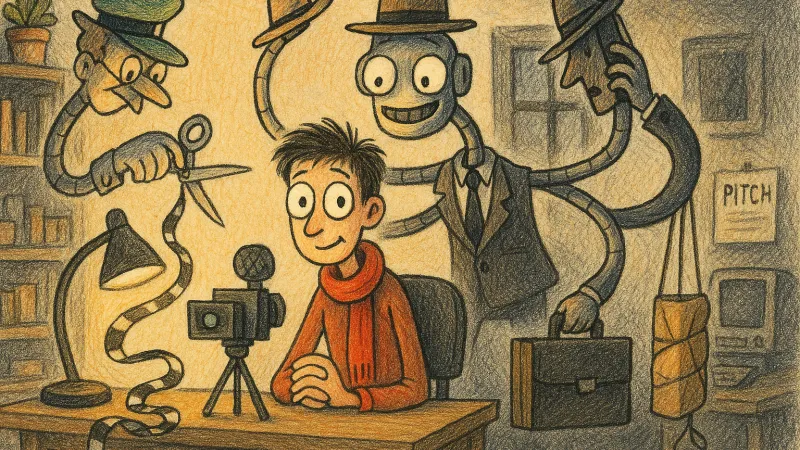
Price the whole job, not just the moment you appear on screen.
Usage rights: the part beginners miss
Usage rights determine what the brand can do with the content you create. This is one of the most important, and most frequently overlooked, parts of a deal.
- Organic posting: Content stays on your channel. This is the baseline.
- Brand reposting: The brand shares your content on its own channels.
- Paid usage: The brand runs your content as advertising, sometimes called whitelisting or paid amplification, putting money behind it to reach far more people than your audience.
- Duration and territory: How long can they use it, and where?
Broader usage, longer durations, and paid amplification represent significantly more value to the brand, and it's standard for creators to charge more for them. Be cautious of contracts that ask for perpetual, unlimited rights to your content or likeness. Those terms should command a substantially higher fee, or you can decline them.
Exclusivity has a cost
Some brands ask that you not work with competitors for a period of time. This limits your future income, so it should be reflected in the price. Pay attention to how "competitor" is defined. A narrow definition (a specific rival product) is very different from a broad one (an entire product category), and the length of the exclusivity window matters too.
Define deliverables precisely
Vague deliverables lead to scope creep, where a simple deal turns into weeks of extra work. Make sure the agreement specifies:
- Exactly what content you'll produce, including format, length, and platform
- Publishing dates or windows
- The number of revision rounds included, and what happens if more are needed
- Key talking points or requirements, and any claims you won't make
- Whether you'll provide performance reports, and what they contain
Get it in writing
Never rely on a verbal or casual agreement. Even for small deals, ensure there's a written contract or at minimum a clear email confirming all terms. It should cover deliverables, payment amount, payment schedule, usage rights, exclusivity, approval process, and what happens if either party needs to cancel.
Clarify payment terms explicitly. When will you be paid, and is any portion paid upfront? For larger deals or anything with unusual terms, it can be worth having a lawyer who understands creator or media contracts review the agreement.
Disclosure is non-negotiable
Sponsored content must be clearly disclosed to your audience. Advertising rules vary by country, and platforms have their own disclosure tools and policies. In the US, the Federal Trade Commission publishes guidance for influencers on its website. Check the current rules where you and your audience are, and your platform's help pages, and make sure the contract doesn't ask you to do anything that conflicts with them.
Negotiating with confidence
Brands generally expect some negotiation. If an offer is lower than you'd like, you can counter, or adjust the scope to match the budget: fewer deliverables, narrower usage, shorter exclusivity. Saying no to a deal that doesn't work for you is also a legitimate outcome. Protecting your audience's trust is worth more over time than any single check.